
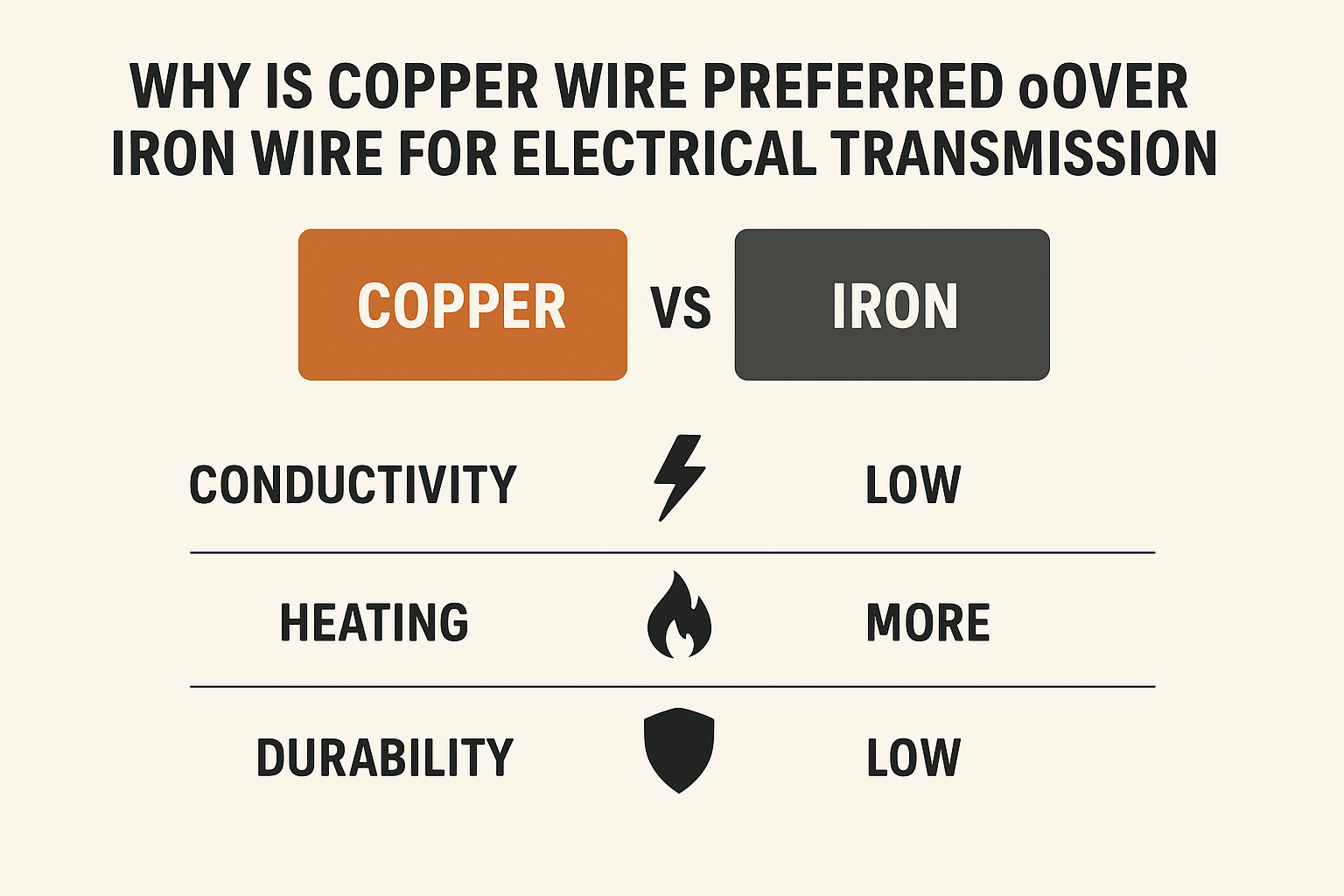
When it comes to transmitting electricity over long distances, the choice of conductor material is crucial. While both copper and iron can conduct electricity, copper is overwhelmingly preferred for electrical wiring and transmission. Let’s explore why.
1. Electrical Conductivity
- Copper has very high electrical conductivity, second only to silver.
- Iron has much lower conductivity compared to copper.
This means copper offers less resistance to the flow of electric current. Lower resistance means:
- Less power loss (I²R losses).
- More efficient transmission of electricity.
2. Heat Generation
According to the Joule heating law:
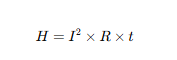
- Since iron has higher resistance, it heats up more when current flows.
- Copper, with lower resistance, produces less heat and stays cooler, making it safer and more reliable for wiring.
3. Mechanical Properties
- Copper is ductile and malleable – it can be drawn into thin wires without breaking.
- Iron is harder and more brittle, making it difficult to stretch into long, flexible wires.
This ductility makes copper easier to use in cables, coils, and transmission lines.
4. Corrosion Resistance
- Copper resists corrosion and maintains its conductivity for decades.
- Iron, on the other hand, rusts easily when exposed to moisture, reducing its strength and conductivity over time.
Final Answer
Copper wire is preferred over iron wire for electrical transmission because copper has much higher conductivity, lower resistance, less heating, better ductility, and superior corrosion resistance. These properties make copper the most efficient and reliable choice for safe electrical power distribution.