
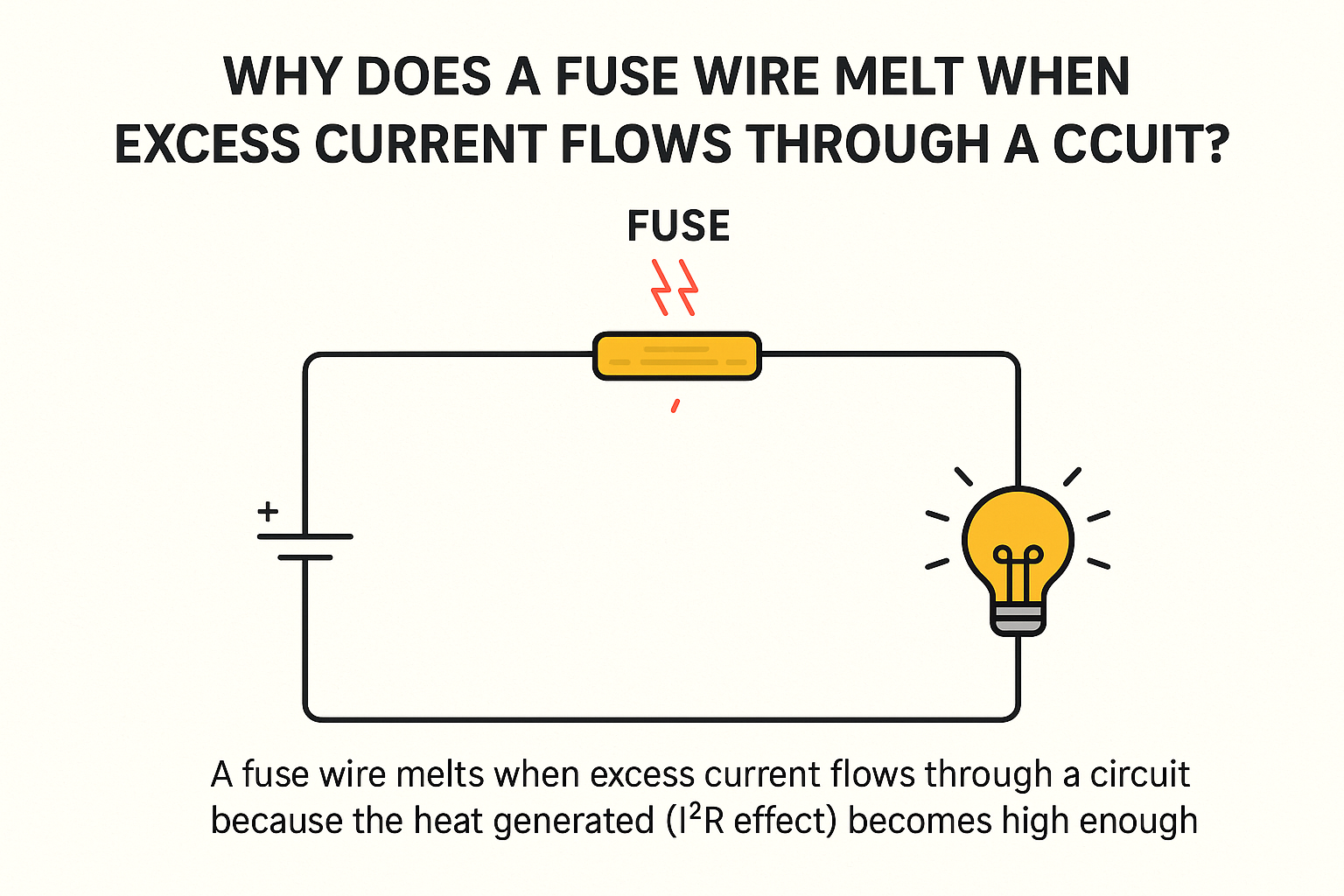
A fuse is one of the simplest yet most important safety devices in an electrical circuit. Its main function is to protect appliances and wiring from damage caused by excess current. But why does the fuse wire actually melt when too much current flows? Let’s break it down.
What is a Fuse?
- A fuse is a short piece of wire made from a low melting point, high-resistance alloy (commonly tin, lead, or copper alloys).
- It is always connected in series with the circuit so that all the current flows through it.
Heating Effect of Electric Current
The principle behind a fuse is based on the heating effect of electric current:
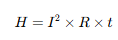
Where:
- H = Heat generated
- I = Current
- R = Resistance of fuse wire
- t = Time
As current increases, the heat produced in the wire increases proportionally to the square of the current.
Why Does It Melt?
- Under normal current → The fuse wire allows electricity to pass without excessive heating.
- Under excess current (caused by short circuit, overload, or device fault):
- The current becomes much higher than the fuse’s rated value.
- The wire heats up rapidly because of I2RI^2RI2R effect.
- Since the fuse is made of low melting point metal, it melts and breaks the circuit.
This prevents damage to expensive appliances and reduces the risk of fire.
Final Answer
A fuse wire melts when excess current flows through a circuit because the heat generated (I²R effect) becomes high enough to melt the wire. This intentional “weak point” ensures that the fuse sacrifices itself to protect the rest of the circuit.