
A short circuit happens when the current in an electrical circuit takes an unintended shortcut through a very low-resistance path. This sudden change causes sparks, excessive heating, and sometimes even fire hazards. Let’s break it down step by step.
1. What is a Short Circuit?
Normally, electric current flows through a circuit designed with resistors, appliances, or loads that limit the flow.
- In a short circuit, the current bypasses these resistive components and directly flows through a very low-resistance path, such as touching wires or faulty insulation.
- This drastically reduces the circuit’s resistance.
2. Why Sparks Occur
When two live conductors (say positive and negative wires) come in contact:
- A sudden surge of electrons rushes through the small gap.
- The air between them gets ionized, creating a spark (a mini lightning effect).
- These sparks are highly energetic and can ignite flammable materials nearby.
3. Why Heating Happens
According to Joule’s Law of Heating:
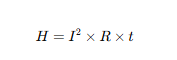
- In a short circuit, current (I) increases massively.
- Even though the resistance (R) is small, the I² factor makes the heat generated extremely high.
- Wires heat up rapidly, insulation melts, and sometimes fire results.
4. Protection Against Short Circuits
To prevent damage:
- Fuses melt and break the circuit if excess current flows.
- Circuit breakers trip automatically to cut off the power supply.
Final Answer
A short circuit causes sparks because of ionization of air and sudden electron flow, and it causes heating because of very high current producing excessive heat (I²R effect). That’s why short circuits are dangerous and protective devices like fuses and breakers are essential in every electrical system.